

How Does Our Brain Work?
Let’s Make It Easy!
First, let’s talk about Complex (Neurodivergent) Kids. This term describes kids’ brains that develop or work differently. The Oxford Dictionary defines it as “differential in mental or neurological function from what is considered typical or normal; not neurotypical.” Harvard Health explains it in a way that all of us can understand:
“Neurodiversity describes the idea that people experience and interact with the world around them in many different ways; there is not one “right” way of thinking, learning, and behaving, and differences are not viewed as deficits.”
Lily and the Cake Fairy, A Story for Autism Spectrum Disorder and I’m So Alone, A Story for Anxiety aim to foster understanding and inclusivity as readers learn the superpowers and challenges of neurodivergent kids, and allows us (and them) to embrace and celebrate their strengths and differences.
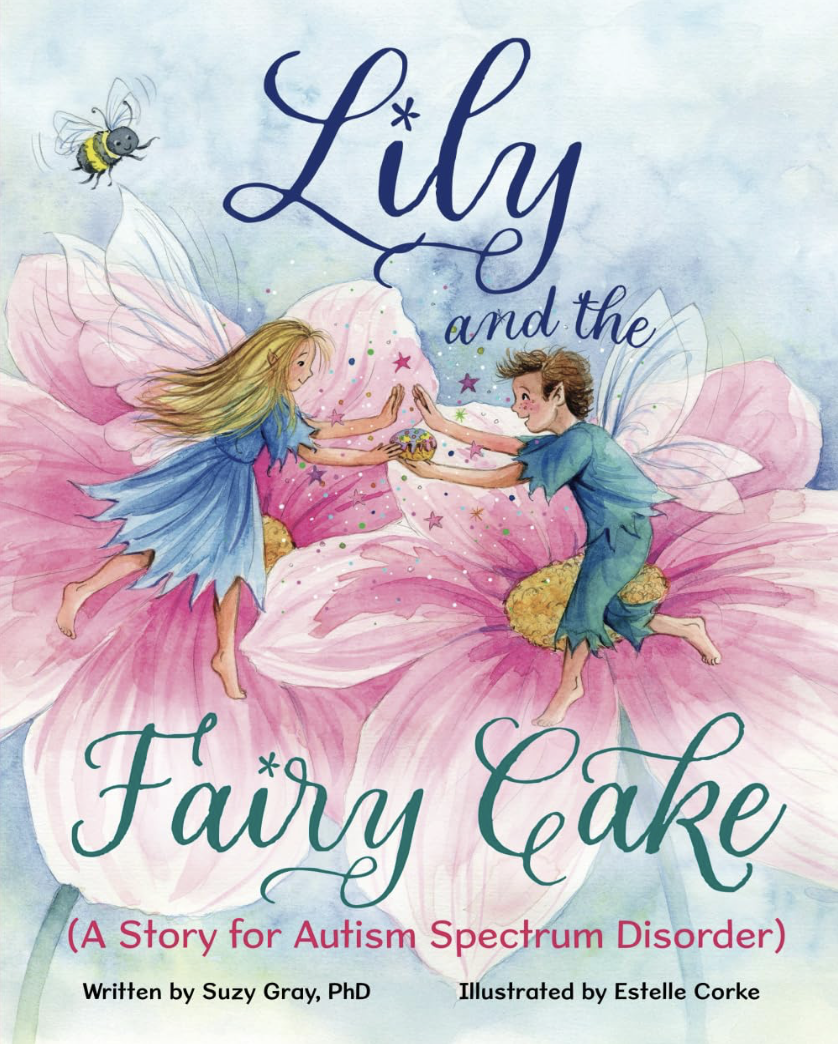
Even though she had a unique brain, Lily was not alone anymore!
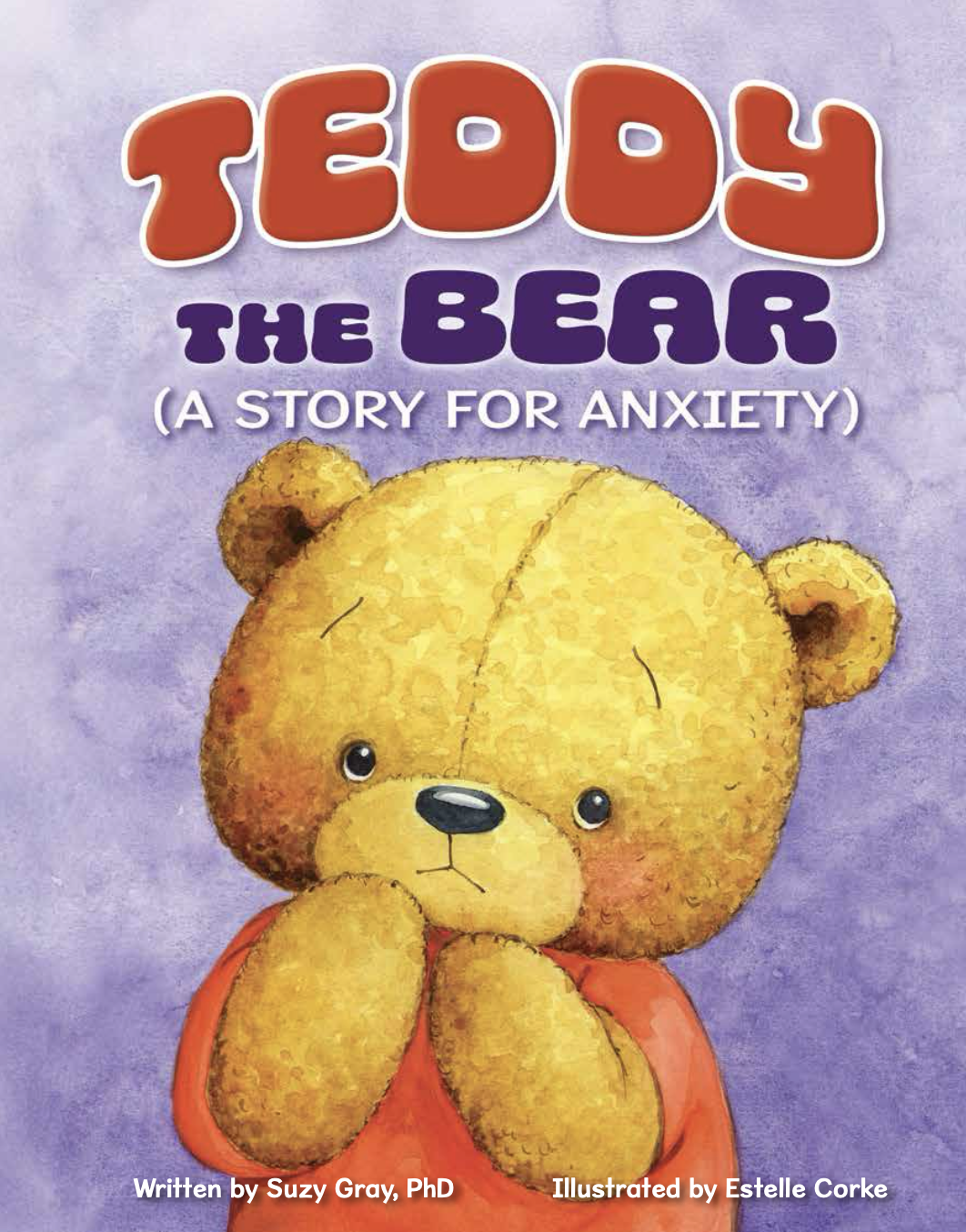
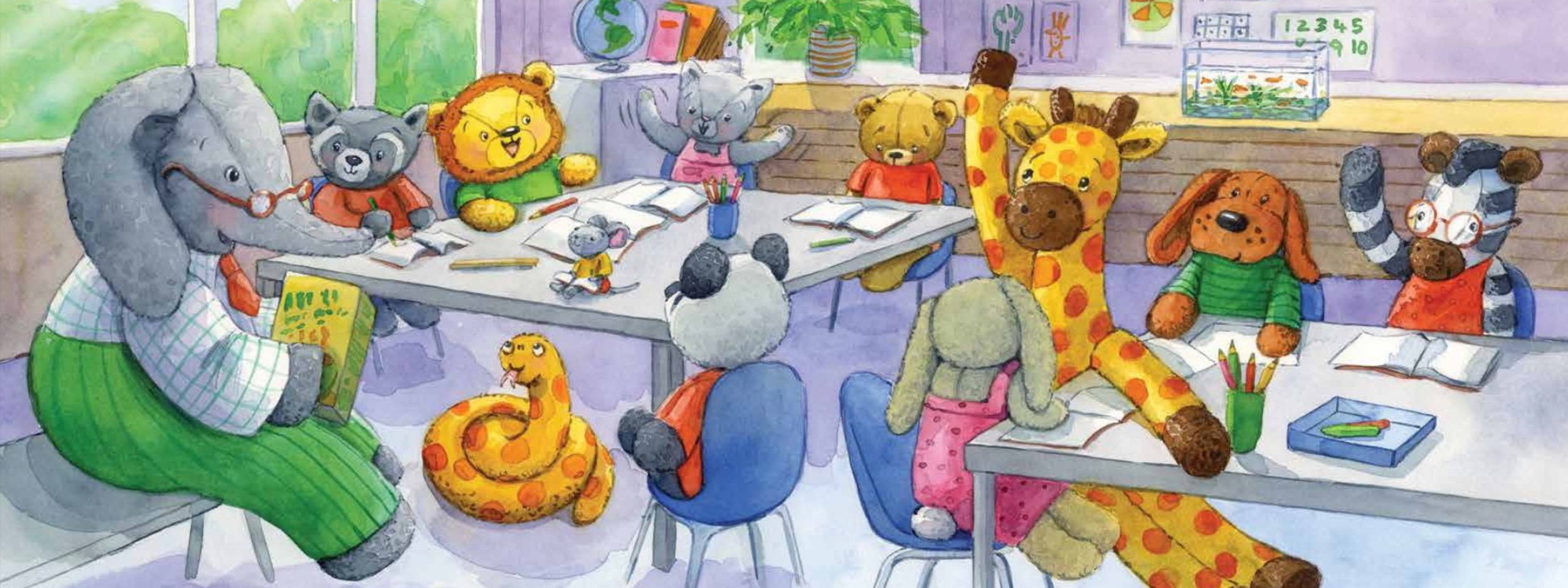
Come along with Teddy as he discovers new ways to deal with his fears.
Lily and the Fairy Cake helps autistic children understand they are not alone.
The more we know about ASD, the more we can accept and appreciate how it affects children. Lily felt alone but learned to embrace her differences and become Lily Fairy.
Autism
Lily, like many children and fairies, has Autism Spectrum Disorder (ASD). ASD is a difference in how the brain is wired, not a defect or disease. Lily is not broken. Kids often feel isolated and alone but don’t always understand why. Autistic brains are built differently than neurotypical brains. They are on a spectrum of individual superpowers and challenges.
Superpowers
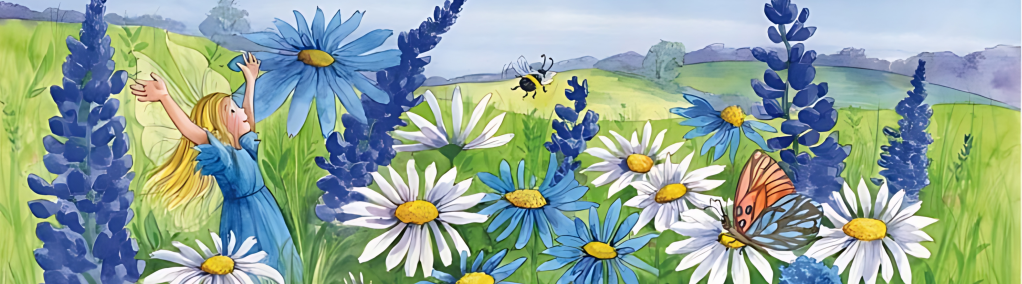
Autistic individuals have unique strengths, especially when the environment is a good match. They have passionate interests and are hyper-focused on certain things (friendship, fairy cake). They are trustworthy, thrive with routines, and feel deeply. Autistic kids use movement, or stimming, to stay calm (fluttering of wings). They enjoy and notice sounds, sights, textures, tastes, and sensations others may not notice (the meadow).
Challenges
Social and communication skills are challenging (verbal and nonverbal). ASD makes initiating social interaction, connecting, cultivating, and maintaining friendships difficult. Nuances in conversation, flexibility, and shifting are also hard. Eye contact is uncomfortable. Writing down big ideas, problem-solving, and language skills are academic challenges.
Other challenges include navigating change and confusing situations (fairy parties). ASD kids think literally and don’t understand when others joke (butterfly). It’s hard to let others know when they need a break.
Support
Websites for Autism: “I find it helpful to show kids examples of others who have made autism their superpower.”
– Dr. Liz Angoff.
Welcome to the Autistic Community, an affirming, positive welcome to children (or adults) with a new autism diagnosis.
Meet Julia, an autistic character on Sesame Street, created with the autistic community and puppeted by the parent of an autistic child.
Famous Autistic Individuals, from surfers to singers to actors to Einstein, this page includes videos to bring each person to life!
Amazing Things Happen, a short video about autism that is helpful for siblings and family members to develop an affirming understanding of the different experiences of autistic people.
Everything You Know About Autism is Wrong, a TEDx talk by Jac den Houting, a research psychologist and autistic activist, explains how being diagnosed with autism was the best day of her life.
OurTism and AANE, provide groups and programming for teens, young adults, and parents.
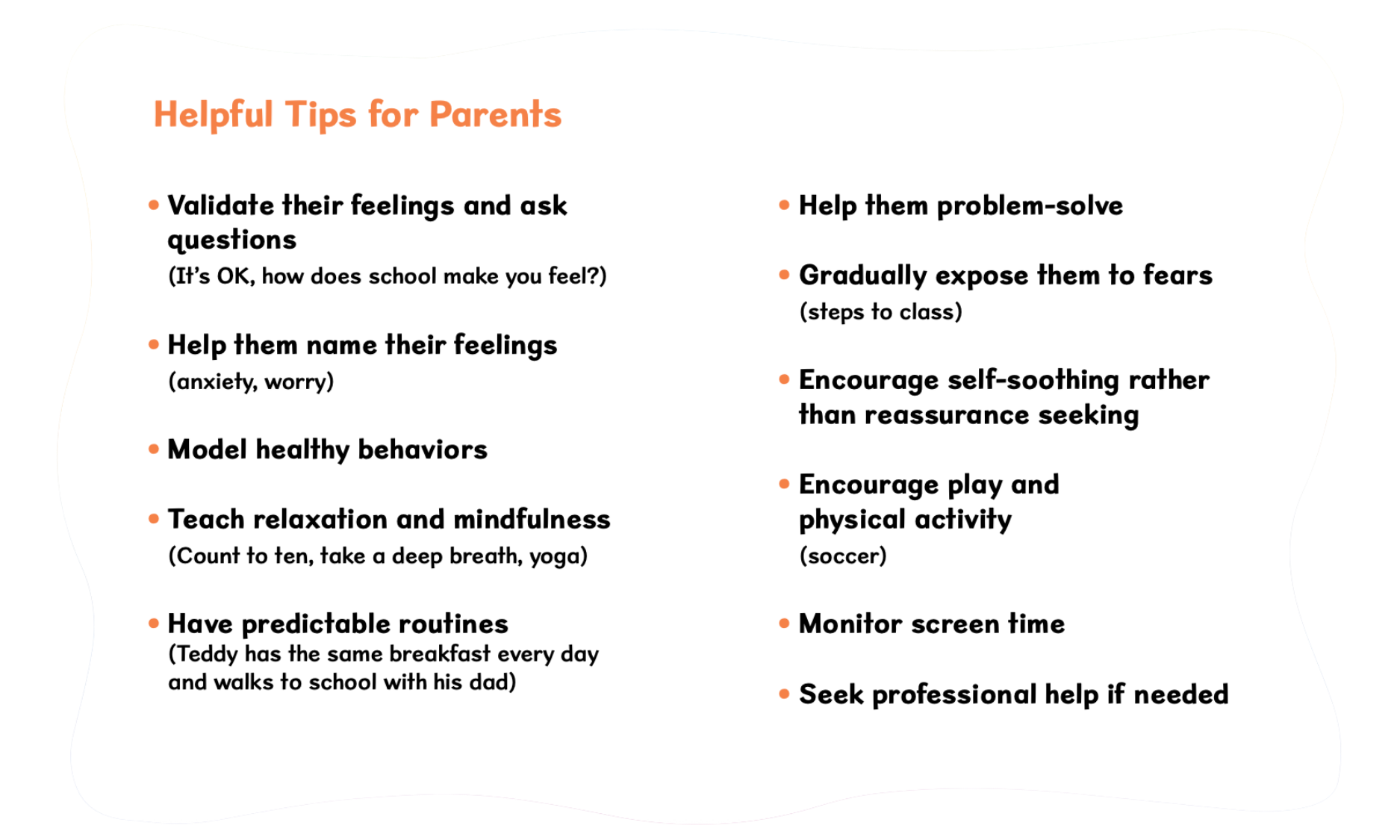
I’m So Alone offers ideas for children, parents, and teachers to support kids struggling with anxiety.
By working together, we can provide the tools and support needed to help these children lead fulfilling and happy lives, and make the world a more welcoming place for everyone.
Anxiety
Anxiety is excess fear and worry. It is a result of a constant “stress high.” Some anxiety is normal and even beneficial, but too much can get in the way. People with anxiety have brains that are always “On” and scanning the environment to help keep them safe, even in situations where they are objectively safe already. It is an “alarm,” which may often be loud when it should be just a gentle warning.
Superpowers
Children who are anxious can absorb a great deal of information, pay close attention to others, and deeply and genuinely care about the world around them.
They take their time to ensure they don’t make mistakes, are curious and conscientious, highly motivated, and ask many questions (Teddy’s picture).
Kids with anxious brains care about others and are attentive to their needs, making them good friends (Leo and Buck friendship).
They observe before diving in and think deeply about their decisions.
They have good attention to detail, want to do things well, and have high standards for themselves (Teddy’s painting).
All of which leads to creative ideas. It’s crucial (like Teddy) that they have a plan. They like knowing what and why things happen.
Challenges
Anxious kids are often more focused on others’ opinions than their own and do not always know how to react or interpret what someone says (Teddy on the playground).
They take in a lot of information but can get overwhelmed and need help breaking tasks into small parts (Teddy approaching school).
Doing something new or challenging (Teddy’s first day at school) can cause more anxiety.
Many children who are anxious have a need to understand what and why things happen, so adjusting to changes in their schedule can be challenging.
They might have difficulty shifting their brain away from unwanted thoughts and controlling their reaction when pressured.
Flight, Flee, or Freeze are instinctive reactions to perceived danger which cause a physical response (Teddy in class, asked to read aloud).
Showing what they know on tests or when called on in class can cause anxiety (Teddy reading out loud).
Learning to recognize and manage anxiety can be very helpful (Teddy’s plan).
Support
Websites
Kids Mental Health Foundation
Coping Skills for Kids
Child Mind Institute
 Dr. Suzy Gray